


Specialty Eyewear
& Contact Lenses
We offer a curated selection of specialty eyewear and contact lenses designed to do more than just correct vision. From myopia management solutions to advanced lens technology and custom contact options, our products are tailored to support long-term eye health, comfort, and performance for every stage of life.
not sure which technology is right for you?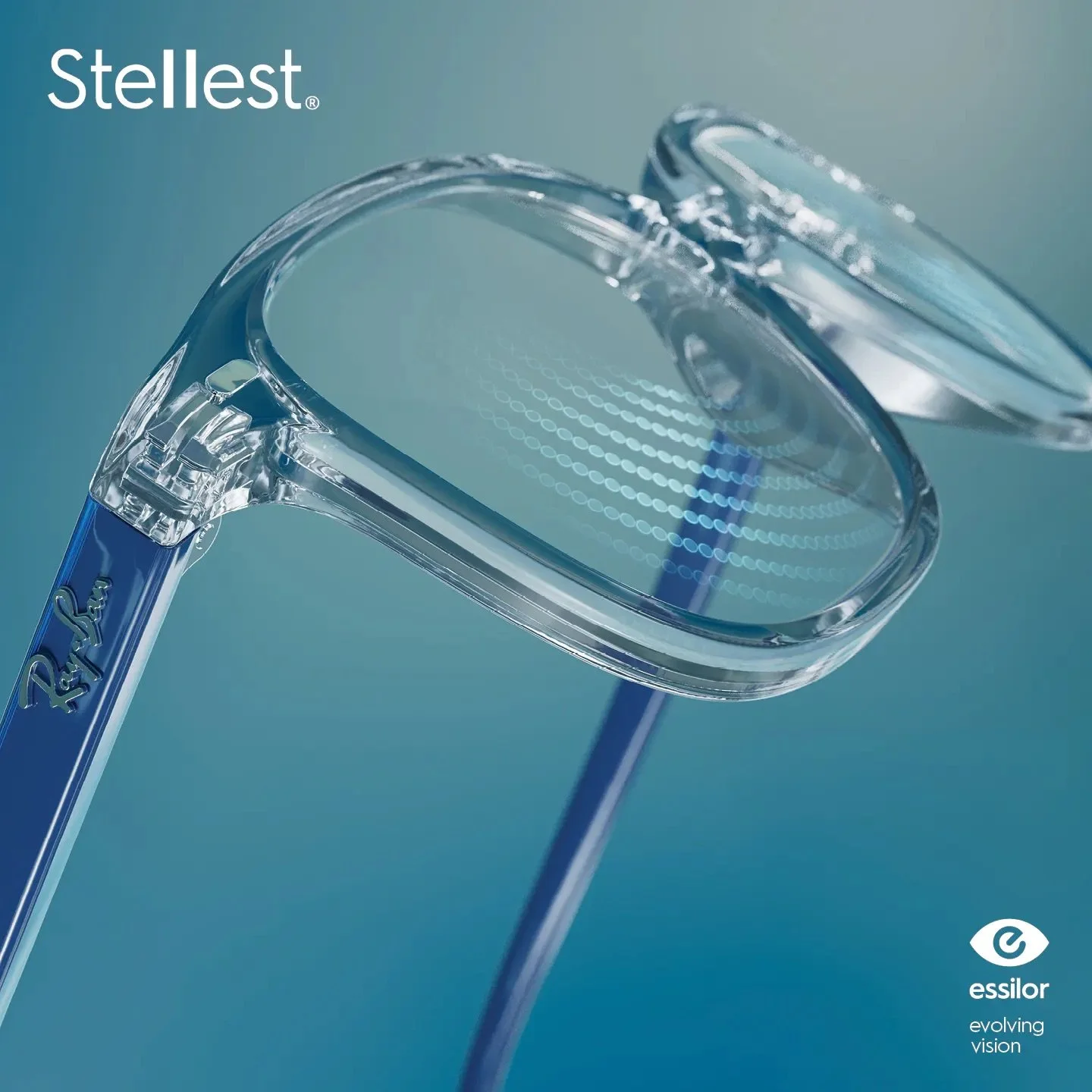
Stellest Glasses
Stellest® FDA-approved myopia glasses are a breakthrough in eye care for kids. These lenses don’t just correct nearsightedness — they’re engineered to help slow its progression over time. Stellest® lenses use cutting-edge optical design to manage childhood myopia by reducing peripheral defocus, a key factor in eye growth. Comfortable and clinically proven, these glasses offer a proactive approach to preserving vision and minimizing future prescription increases.

MiSight Contact Lenses
MiSight® contact lenses are daily disposable lenses specifically designed to slow the progression of myopia (nearsightedness) in children. Clinically proven and FDA-approved, MiSight lenses help manage myopia while providing clear, comfortable vision. Backed by clinical research, MiSight® contact lenses use innovative optical design to reduce factors that contribute to myopia progression. Worn daily with a new lens each morning, they combine eye health management with the convenience and comfort of modern contact lens technology.

State of the Art
Advanced Technology
At the forefront of modern eye care, advanced optometric technology allows us to look deeper, diagnose sooner, and treat more effectively. From high-resolution imaging to digital mapping of the eye, today’s tools give us unprecedented insight into your eye health—helping us deliver proactive, data-driven care designed for lifelong vision wellness.
-
Optomap Retinal Imaging allows us to capture up to 200° of the retina in a single image, giving us a far more complete view of your eye health than traditional methods. This ultra-widefield image helps us detect and document early signs of serious eye conditions — including glaucoma, diabetic retinopathy, retinal tears, and age-related macular degeneration — that may not be visible otherwise.
The technology was born from a deeply personal mission. In the early 1990s, engineer Douglas Anderson’s five-year-old son lost vision in one eye from a retinal detachment that standard exams failed to detect. Determined to prevent other families from facing the same outcome, Douglas committed his life to developing a patient-friendly, ultra-widefield retinal imaging system. That effort led to the creation of Optos and the Optomap technology we use today — now helping millions of patients worldwide get earlier, more accurate retinal screenings.
We strongly recommend Optomap for all patients, especially those with diabetes, high blood pressure, high prescriptions, or a family history of eye disease. Unlike traditional techniques that often require dilation drops, Optomap is faster, more comfortable, and usually doesn’t require dilation for most patients. It also creates a permanent digital record we can use to track changes in your retina over time — helping us spot subtle trends long before they become problems.
-
Optical Coherence Tomography (OCT) allows us to view detailed, layer-by-layer images of the retina and optic nerve. This advanced diagnostic technology helps us detect and monitor conditions affecting the deeper structures of the eye — often before symptoms are noticeable.
OCT imaging is commonly used to evaluate and manage:
Glaucoma
Macular degeneration
Diabetic eye disease
Optic nerve abnormalities
Retinal swelling or thinning
For children, OCT can be especially helpful in monitoring optic nerve health, tracking myopia progression, or evaluating structural concerns in a quick, comfortable, and non-invasive way.
This scan provides invaluable insight into your eye health and allows us to make timely, proactive treatment decisions to protect vision at every stage of life.
-
At The Optical Collective, we use axial length measurements to monitor the growth of the eye with precision. This non-invasive technology measures the length of the eye from front to back, providing key insights into myopia progression and overall eye health.
By tracking axial length over time, we can:
Detect early changes that may indicate faster myopia progression
Personalize treatment plans for myopia management
Monitor the effectiveness of lenses, contact lenses, or low-dose atropine therapy
Help reduce long-term risks associated with high myopia
Axial length measurement gives us a deeper understanding of your child’s vision and allows for proactive, science-based care — helping to protect healthy eyesight for years to come.
-
Visual field technology measures your side (peripheral) vision to help detect early changes that may indicate eye health conditions such as glaucoma, retinal disease, or neurological changes. Using sophisticated algorithms and precise visual mapping, visual field technology creates a detailed assessment of your peripheral and central vision. This allows your eye care provider to identify subtle changes, monitor eye health over time, and intervene early when necessary.This advanced testing provides detailed maps of your full field of vision and helps your doctor monitor and protect your vision more effectively.
Meet your trusted, local optometrists
Dedicated to protecting your vision at every stage of life.
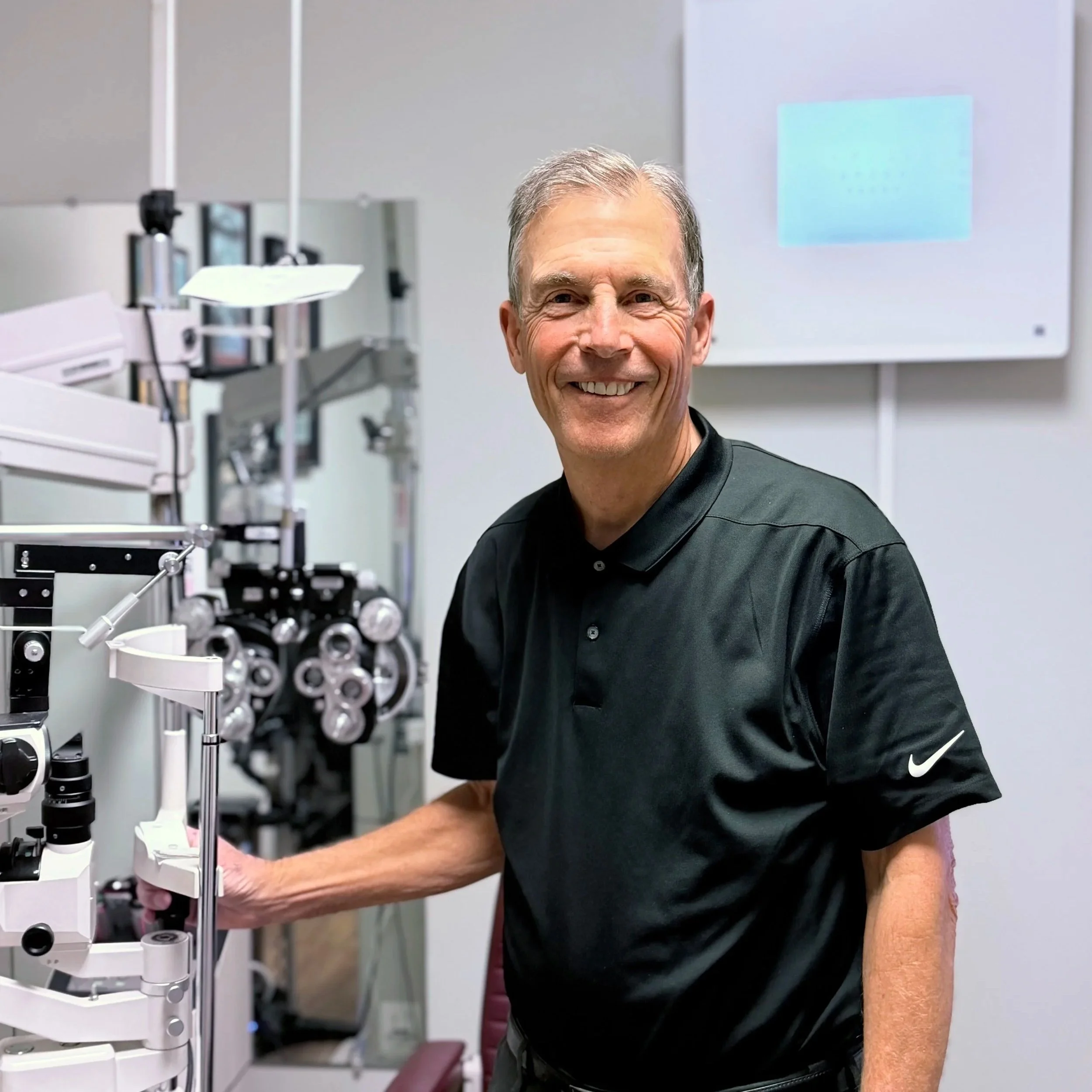
Dr. Gregg Kamnetz

Dr. Julie Phan
The Optical Collective Blog


Ready to book an appointment?
Questions before you book?
Please text or call us at 512-327-3605.